Family Connection for Healthy Futures
Choose your child
You may not realize it, but your kids need more of your time and attention. So, put your device down and choose your child. Help them feel safe and supported. Even a few minutes of daily conversation can make a lifetime of difference.
In a world full of distractions, connection is what keeps kids grounded, confident, and thriving. CHAT: Family connection for healthy futures, helps parents strengthen communication, build trust, and create the kind of family relationships that lead to healthy futures.
Why it matters
Every teen needs connection and wants to feel seen, heard, and supported. Research shows that youth who experience strong, positive relationships at home are more resilient, less likely to struggle with anxiety or depression, and better equipped to make healthy choices.
CHAT, created in response to Rep. (and high school teacher) Douglas Welton’s experiences in the classroom, supports Gov. Cox’s “Built Here” initiative by ensuring that all Utah children grow up with a strong foundation of good behavioral health. When parents and teens connect meaningfully, Utah’s communities grow stronger too.
Our goal
Actionable tips

Invite their reminders

Put down the competition
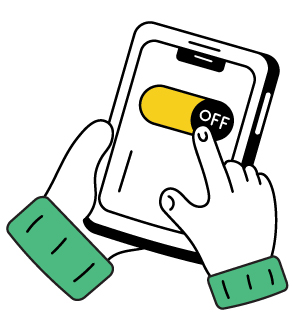
Lead by example

Spend quality, intentional time together

Practice active listening

Ask open-ended questions
Ask open-ended questions and repeat back what they say to show you understand.

Encourage your kids and show them affection

Model positive behavior

Show up and engage
Attend the game, the play, or the concert. Put your device away. Your presence and undivided attention says, “You matter.”
Teens who feel supported during difficult times are more likely to succeed.
Connection doesn’t require perfection; it just takes intention.
Let’s dive deeper
Teens who feel supported during difficult times are more likely to succeed in life. These are a few simple signs your relationship is built on a strong foundation, and reminders of how powerful your presence can be in your child’s life.
- Your child feels safe coming to you with questions or problems.
- You just try to listen when your child talks — and don’t interrupt or judge.
- You spend time together and enjoy each other’s company.
- You comfort your child when they’re upset.
- You set clear rules — but also explain why they matter.