
Resources for parents
We know parents and caregivers make the best decisions for their children if they have the information they need. Year after year, data directly from Utah teens opens in a new tab show parents are the most important influence in their kids’ lives.
You often don’t know ahead of time what types of challenges you will face in life. However, research shows there are certain things you can do in your everyday life to prepare your kids and family with the skills and support they need to get through anything— and overcome the odds that could otherwise lead to tragedy.
What you do in your home and with your family matters—to your kids and to our communities. Children feel safe and are able to reach their full potential when families and communities are strong.
How do you build a strong family and strong community?
Strong families and strong communities go hand in hand. Children thrive when families feel supported. And everyone feels safer and more connected when neighbors look out for each other.
Start with your family.
Kids feel loved and secure when you spend time together, listen to each other, and keep routines—like family meals or bedtime stories. It teaches children how to handle challenges when you stay calm during tough times and ask for help when you need it.
Reach out in your community.
You can make your community stronger if you know and help other people. Don’t know where to start? It’s easy to get to know the people in your community and build connections:
- Say hello to your neighbors.
- Go to school or community events.
- Join local groups or volunteer.
Research shows strong social ties reduce stress, improve mental health, and lower the risk of child abuse and neglect. Everyone benefits when families and communities support each other. These small actions create trust and support that can help families stay strong and bounce back from hard times.
What can you do to help someone else?
Many people won’t ask for help— even if they need it. Think about people in your life or community who have new babies or young kids, and offer help. Sometimes we say things like “Let me know if you need anything.” We mean well, but many times people don’t want to seem like a burden to others. Instead, say things like, “I’ve been wanting to bring you dinner. When is a good day?”
Be someone others can trust and feel comfortable coming to for help. Strengthening families prevents child abuse and neglect. Parents and families need to feel safe to seek support and not feel judged. We all take turns needing help.
Information about resources and services are available at https://dcfs.utah.gov/prevention/ opens in a new tab.
Resources in your community
Utah Family Support Centers
| Program | Location | Website | |
|---|---|---|---|
| Box Elder Family Support Center (2 locations) | Brigham City and Garland | https://befsc.org/ | Box Elder County |
| The Family Place of Cache County (3 locations) | Logan, Smithfield, and Hyrum | https://thefamilyplaceutah.org/ | Cache County |
| Carbon County Family Support Center | Price | https://www.carbon.utah.gov/department/family-support-children-justice-center/ | Carbon County |
| Open Doors | Clearfield | https://www.opendoorsutah.org/ | Davis County |
| Grand County Family Support Center | Moab | https://www.grandcountyutah.net/552/Family-Support-Center | Grand County |
| Family Support Center of Ogden | Ogden | https://familysupportcenterogden.org/ | Weber County |
| Utah Valley Family Support & Treatment Center | Orem | https://family-haven.org/ | Utah County |
| Family Support Center of Salt Lake (3 locations) | Midvale, West Valley City, and Sugarhouse | https://www.familysupportcenter.org/ | Salt Lake County |
| Family Support Center of Southwestern UT (2 locations) | Cedar City and Richfield | https://familysupportutah.org/ | Iron County, Sevier County |
| Family Support Center of the Uintah Basin | Roosevelt | https://www.facebook.com/p/Family-Support-Center-of-UB-100080343175831/ | Duchesne County |
| Family Support Center of Washington County | St. George | https://www.fsc4kids.org/ | Washington County |
Parenting and family resources
| Provider | Program name | Program description | Website | |
|---|---|---|---|---|
| Asian Association of Utah | Systemic Training for Effective Parenting (STEP) | A multicomponent parenting educational curriculum that helps parents learn effective ways to relate to their children using parent education study groups. This program is offered to refugee and immigrant groups in their native language. | https://aau-slc.org/ | Northern |
| Prevent Child Abuse Utah | Systemic Training for Effective Parenting (STEP) | A multicomponent parenting educational curriculum that helps parents learn effective ways to relate to their children using parent education study groups. This program is offered to refugee and immigrant groups in their native language. | https://pcautah.org/ | Eastern, Western |
| Children's Service Society | GRANDfamilies Kinship Program | A support and education program that helps families raise a relative’s children. The program provides guardianship assistance, child and adult education courses, links to community resources, short-term therapy, and monthly peer activities. | https://cssutah.org/ | Northern, Eastern, Western, Salt Lake Valley, Southwest |
| Utah Valley Family Support Center | Making Parenting a Pleasure | A group parenting course focused on improving overall parent and family functioning by focusing on increasing protective factors. The program helps families set goals and work together to reach them. The program is provided in community settings that are easily accessible to families in Western Region. | https://family-haven.org/ | Western |
| Friends of the Children | Friends of the Children | A two-generation approach to work simultaneously with a child and their caregiver(s), to provide intensive, wraparound support to break generational cycles of poverty and trauma that will stabilize and strengthen families. Provides up to 12+ years of service to each family in our program, from the time a child is enrolled at the age of 4-6 until their high school graduation. | https://friendsutah.org/ | Northern |
| Family Support Center of Salt Lake City | Triple P | Parenting courses, workshops, and individual consultations, with the goal of providing attendees with tools and knowledge to help them with the many challenges of parenting to lower the risk of child abuse and neglect. The series is delivered over a 12-week time frame where the Parent Educator has time with each family to assess needs, provide extra levels of protective support and make referrals to qualified practitioners when necessary. | https://www.familysupportcenter.org/ | Northern |
| Family Support Center of Southwestern Utah | Parents as Teachers for Teen Parents | A home-visiting program providing early childhood parent education, family support and well-being, and school readiness to teen parents in Southern Utah. | https://familysupportutah.org/ | Southwest |
| Utah Navajo Health Systems | Family Circles | A culturally grounded wellness program which integrates traditional teachings to promote balance in physical, emotional, mental, and spiritual health. The goal of the program is to improve family relationships and reduce the risk of child abuse and neglect through monthly community events, family-centered challenges, and wellness education. | https://unhsinc.org/ | Eastern |
Other resources for parents

What is parental resilience?
Sometimes life is really hard. Parental resilience is how well you manage stress, recover from things that are hard, and handle everyday challenges.
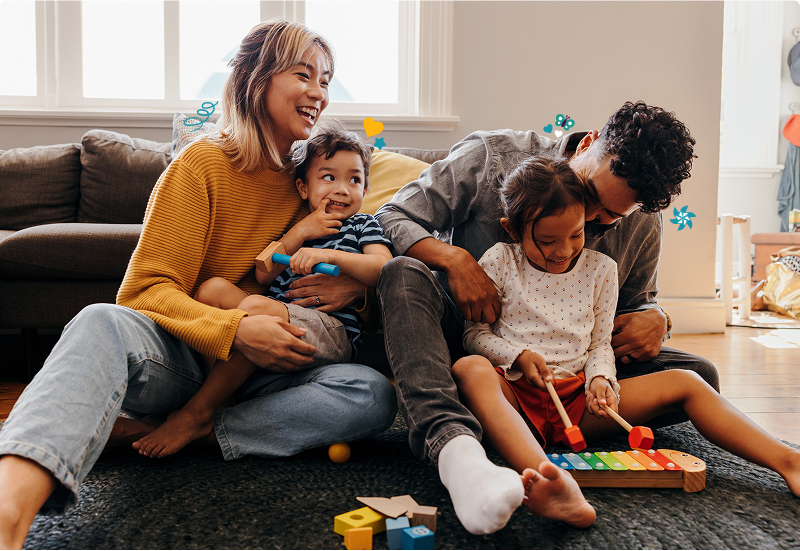
Parenting skills and understanding child development
Kids need the skills and ability to form safe, stable, and nurturing relationships for their emotional development and mental health.
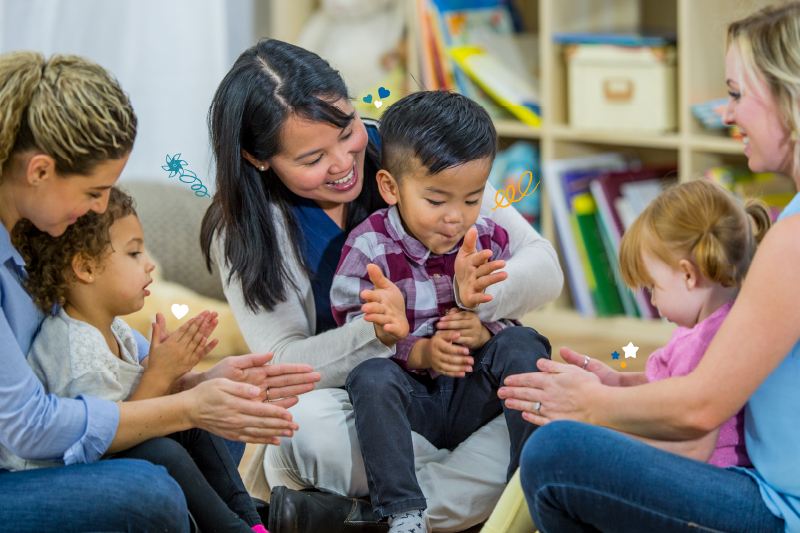
Social connections
Having strong, positive relationships with others is one of the best ways to protect children and support families.

Social and emotional competence of children
Children who can express their feelings, manage their emotions, and build healthy relationships are better able to cope with life’s ups and downs.

Concrete supports
Families are less likely to experience stress that can lead to crisis when they have access to basic needs—like food, housing, health care, and child care.

Connect with your family
What you do in your home and with your family matters—to your kids and to our communities. Strong family connections provide the foundation for children to thrive.